
Is Montessori good for ADHD? For a lot of kids, yes. The Montessori approach leans on movement, hands-on work, and letting a child follow their focus instead of forcing them to sit still, and those are exactly the conditions many children with ADHD do best in. It isn’t a cure, and it isn’t right for every single child, but the fit is often surprisingly good.
We hear this question constantly from parents who just got a diagnosis and feel a little lost. So let’s talk about it honestly: what Montessori actually is, why it tends to click for ADHD brains, where it can fall short, and the practical toys and setups that bring the good parts home even if your child is in a regular classroom. (If a regular classroom is your day-to-day reality, our guide to classroom-friendly fidget toys covers what actually survives a teacher’s desk.)
Table of Contents
What people mean by “Montessori” for ADHD
Montessori is an education method built by Dr. Maria Montessori over a hundred years ago. The core ideas: children learn by doing, they pick their own work from a prepared set of options, they move freely around the room, and they work in longer uninterrupted blocks instead of short switching lessons. Materials are hands-on and self-correcting, so the child sees their own mistakes without a teacher hovering.
Now read that list again with ADHD in mind. Freedom to move. Choice. Hands-on. Longer focus on something they picked. It’s almost a description of what helps a lot of kids with attention differences. ADHD affects around 1 in 9 US children according to CDC data, so this is a question millions of families are asking.
Is Montessori good for ADHD? 5 reasons it often helps
1. Movement is built in, not punished
In a lot of classrooms, a kid who can’t sit still gets corrected all day. Montessori lets children stand, move to a mat on the floor, and switch positions while they work. For a child who thinks better while moving, that alone can change everything. Movement first, focus second.
2. Kids choose their work
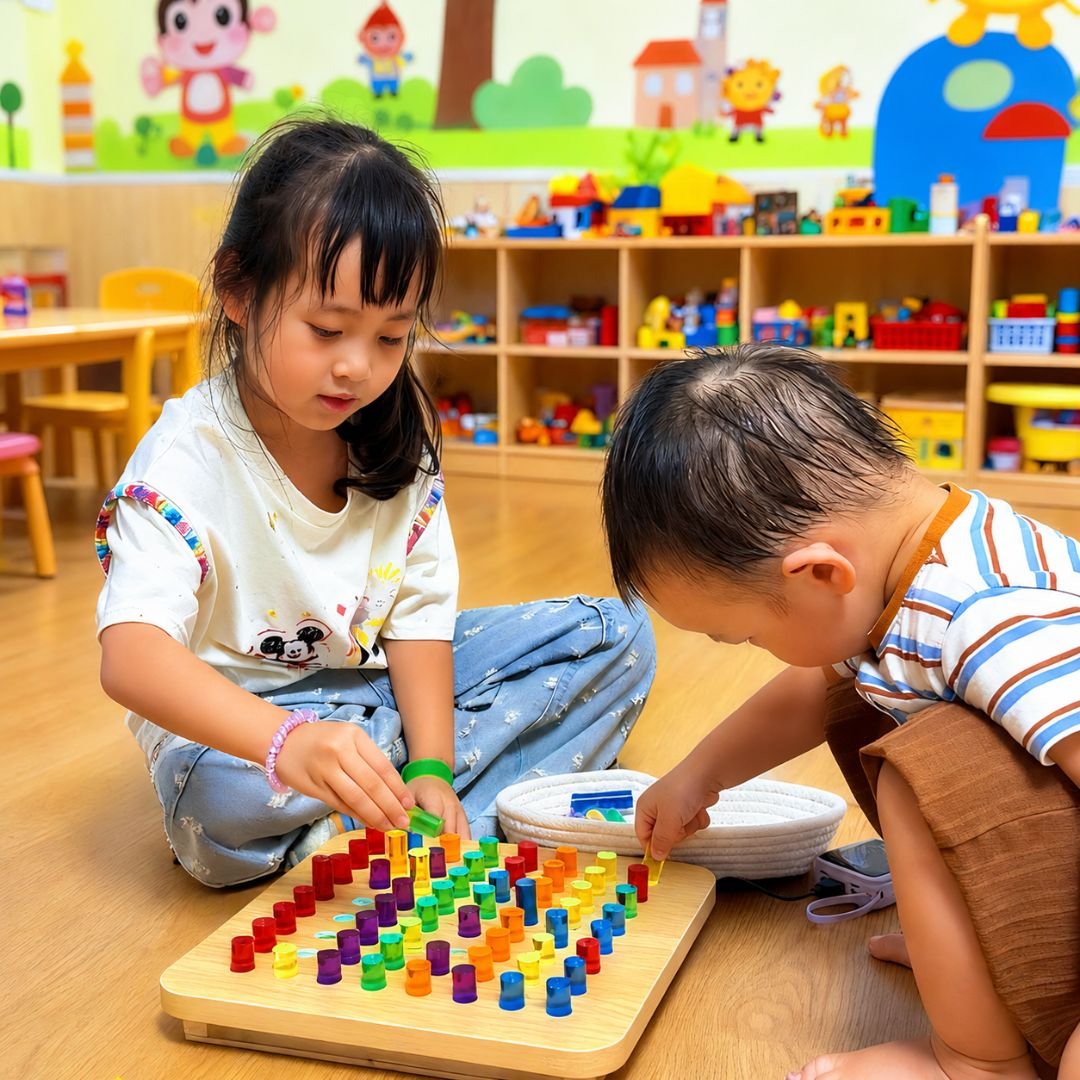
ADHD isn’t a shortage of attention. It’s trouble regulating it. Give a child something they chose and find interesting, and the focus shows up. Montessori is built on choice, which sidesteps a lot of the daily power struggles.
3. One thing at a time
Montessori materials usually isolate a single skill. One board, one job. That’s calmer for a brain that gets flooded easily. It’s the same reason single-purpose toys tend to work better at home than busy plastic ones with ten functions.
4. Hands-on beats worksheets
Physical materials give constant feedback. Beads to count, pegs to place, water to pour. That sensory feedback keeps a wandering mind anchored far better than a paper worksheet does.
5. Self-correcting materials protect confidence
Many kids with ADHD hear “no” and “stop” a lot, and it wears on them. Montessori materials let the child spot their own mistake and fix it, so learning feels less like getting corrected and more like solving a puzzle.
Where Montessori can fall short for ADHD
Honesty matters here. Montessori isn’t a guaranteed win:
- Very open classrooms can overwhelm. Some kids with ADHD need more structure and clearer cues, not less. A poorly run “free” room can turn into chaos for them.
- Quality varies wildly. “Montessori” isn’t a protected word. One school lives the method, the next just borrowed the name.
- It’s not treatment. Montessori is an approach to learning and play, not a substitute for the support plan your pediatrician or specialist recommends. Groups like CHADD are good for evidence-based ADHD guidance.
The takeaway: the philosophy fits many ADHD kids, but the specific school or setup has to be a good one, and it works best alongside, not instead of, professional support.
Bringing Montessori home for a child with ADHD
You don’t need a Montessori school to use the ideas. Most of the benefit comes from how you set things up at home:
- Fewer toys, on open shelves. Four or five choices a child can see and reach, the rest stored and rotated. Less visual noise, better focus.
- Single-purpose, hands-on toys. Sorting, building, pouring, threading. One clear job each.
- A calm-down spot. A quiet corner with soft light and a low-stimulation toy the child can retreat to when they’re flooded.
- Movement breaks before focus tasks. Ten minutes of big movement before homework can save an hour of friction.
Toys that fit the approach
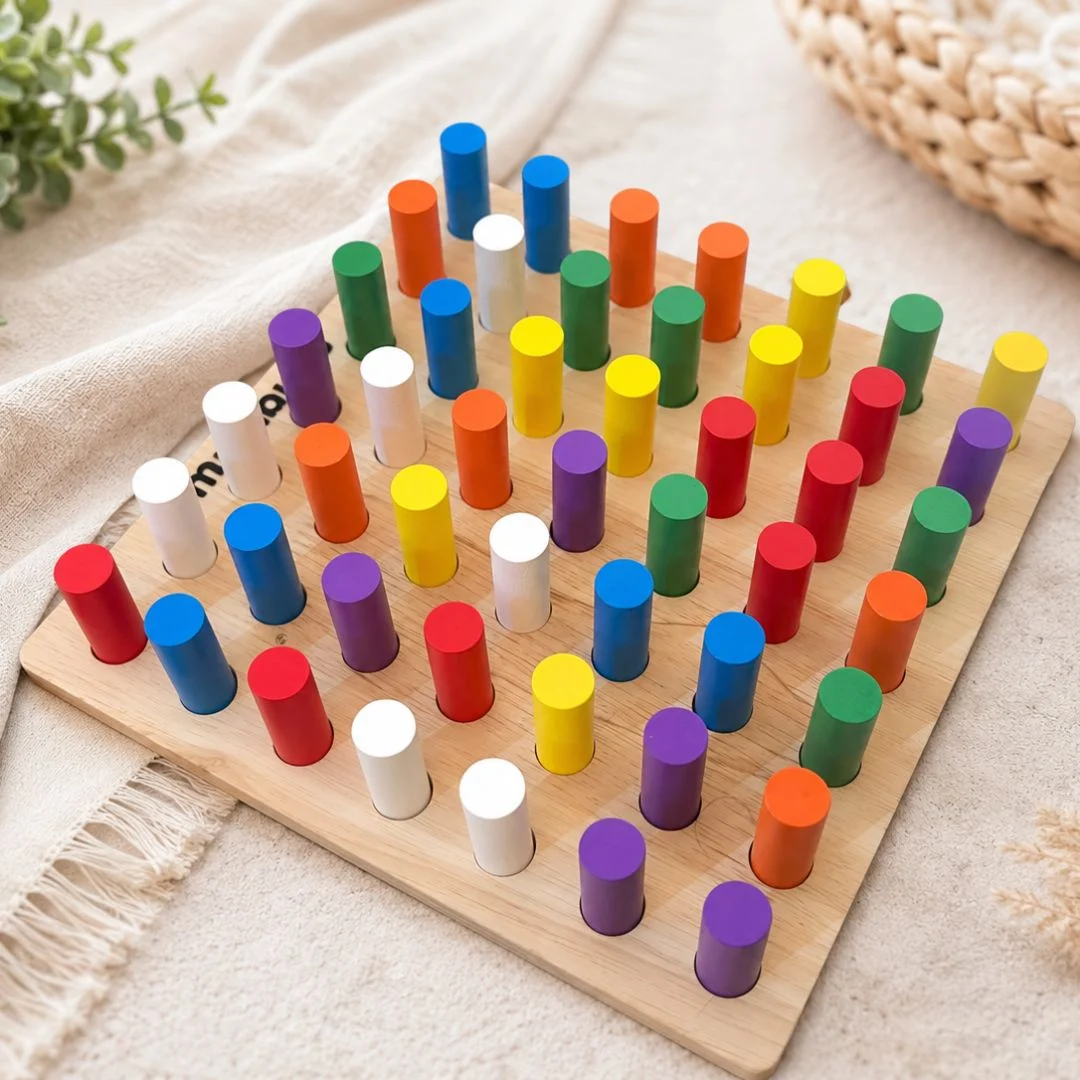
Two things in our own home earn their place. The Montessori Color Sorting Toy gives one clear, repeatable job: sort 49 rainbow pegs by color. It’s quiet, it’s self-correcting, and it travels. For the calm-down corner, a Light Up Peg Board gives soft, controllable visual input that a lot of kids find genuinely soothing when they’re overstimulated. For the bigger picture on regulation tools, our guide to what sensory toys are walks through seeker-versus-avoider, which matters a lot for ADHD kids.
Everything ships free in the US with 30-day returns. Browse the MoniBabu shop to see the range.
A simple home rhythm that helps ADHD kids focus
The toys matter, but the routine around them matters just as much. Here is a simple daily rhythm a lot of families with ADHD kids find helpful, and it costs nothing. Start the day and each big transition with movement. Ten minutes of jumping, climbing, or a quick walk before a focus task drains the restless energy that otherwise leaks out during it. Next, give one clear job at a time. A child with ADHD can be flooded by “clean your room,” but manage “put the blocks in the bin” just fine. Break things down. Then build in a calm-down spot they can reach on their own, a quiet corner with soft light and one low-stimulation toy, so they have a place to reset before a meltdown instead of after. Keep only a few toys visible and rotate the rest, because visual clutter is its own distraction. Finally, protect sleep and keep the routine predictable. ADHD brains lean hard on external structure, and a steady rhythm does a surprising amount of the regulating for them. None of this replaces the plan your pediatrician or specialist gives you. It just stacks the deck in your child’s favor at home.
The bottom line for parents
So, is Montessori good for ADHD? For a great many kids, the answer is a genuine yes, because the method leans into movement, choice, and hands-on focus instead of fighting against them. But hold two things at once. The philosophy fits, and the execution has to be good, whether that is a well-run classroom or a calm, low-clutter setup at home. Do not expect a label on a box or a school sign to do the work. What actually helps is the daily rhythm: movement before focus, one clear job at a time, a calm-down corner your child can reach on their own, and only a few toys out so nothing competes for a busy brain. Layer the right toys on top of that, single-purpose and hands-on, and you give your child a real advantage in their own home. Just remember this is a learning and play approach, not medical care. Keep it working alongside the guidance from your pediatrician or specialist, lean on evidence-based groups for the clinical side, and let the Montessori ideas do what they do best, which is make focus feel possible instead of forced. Start small, watch what clicks for your child, and build from there.
One last encouragement: you do not have to get this perfect. Try one change this week, maybe a movement break before homework or clearing all but a few toys off the shelf, and see what shifts. Small, steady tweaks to the environment add up faster than any single purchase, and they cost nothing to test.
Is Montessori good for ADHD? Quick answers
Is Montessori good for ADHD?
For many children, yes. Montessori’s focus on movement, choice, hands-on materials, and longer self-directed work suits how a lot of ADHD brains learn best. It is not a treatment or a guarantee, and results depend on the specific school or home setup, but the underlying approach fits well and works best alongside professional support.
Can a child with ADHD do well in a Montessori classroom?
Often, yes, especially in a well-run classroom with a skilled guide. The freedom to move and choose work helps. A few kids need more structure than a very open room provides, so visit first and watch how the class actually runs.
What Montessori toys help kids with ADHD at home?
Single-purpose, hands-on toys work best: color sorting and peg boards, stacking and threading toys, pouring sets, and a calming light toy for a quiet corner. Keep only a few out at a time and rotate them to cut visual clutter.
Is Montessori a replacement for ADHD treatment?
No. Montessori is a learning and play approach, not medical care. Use it alongside the plan your pediatrician or specialist recommends, and lean on evidence-based groups like CHADD for guidance.
MoniBabu makes calm, single-purpose toys for kids with sensory and attention needs. Want help picking for your child? Reach out, a real parent will answer.